THE FOUNDATION OF STRONG COMMUNITIES: WHY PREVENTIVE HEALTH MATTERS MORE THAN EVER
Health is often viewed as a personal issue, but in reality, it is a community issue.
When people have access to preventive healthcare, nutrition, sanitation, and health education, entire communities become stronger, more productive, and more resilient. Preventive health is not simply about avoiding illness—it is about creating systems that help people thrive before a crisis occurs.
Why Preventive Healthcare Matters
Across many underserved communities, health challenges often become severe because intervention comes too late. Minor health concerns can develop into major medical emergencies when regular screenings, awareness, and early treatment are unavailable.
Preventive healthcare focuses on:
- Regular health check-ups
- Vaccination and immunization
- Nutrition awareness
- Maternal and child healthcare
- Mental health support
- Hygiene and sanitation education
- Early disease detection
These measures reduce healthcare costs, improve quality of life, and decrease the burden on families and public health systems.
The Link Between Health and Community Development
Healthy individuals are better equipped to learn, work, and contribute to society.
When communities experience poor health outcomes, the effects extend beyond hospitals and clinics. School attendance declines, workforce productivity decreases, and families face financial stress due to medical expenses.
Strong community health systems help:
- Improve educational outcomes
- Increase economic participation
- Reduce poverty cycles
- Strengthen family stability
- Support long-term community resilience
Health is not a standalone issue. It is directly connected to education, livelihoods, nutrition, and social development.
Building Sustainable Health Systems at the Grassroots Level
Short-term medical interventions can provide immediate relief, but lasting impact requires consistent systems.
Effective community health initiatives often include:
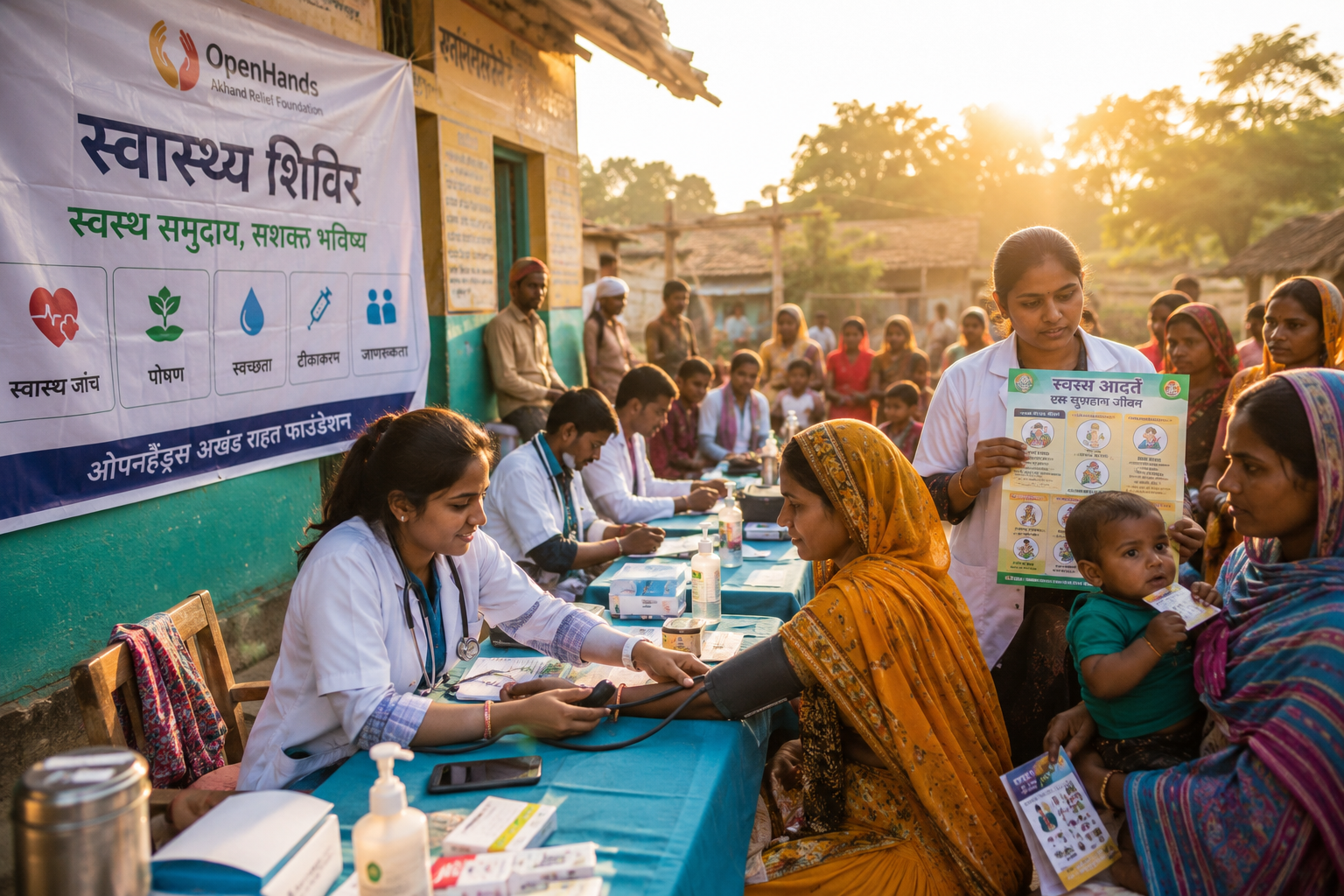
- Health awareness campaigns
- Mobile health services
- Community health volunteers
- Nutrition support programs
- Clean water and sanitation projects
- Digital health monitoring and reporting
- Partnerships with local healthcare providers
The goal is to create accessible healthcare ecosystems that continue delivering value long after a single intervention ends.
The Growing Role of Technology in Healthcare Access
Technology is transforming how health services reach underserved populations.
Digital health records, telemedicine consultations, AI-assisted diagnostics, and mobile health applications are helping bridge gaps between healthcare providers and remote communities.
Benefits include:
- Faster diagnosis and referrals
- Better patient tracking
- Improved healthcare accessibility
- Reduced travel and treatment delays
- More efficient use of healthcare resources
When combined with community-based programs, technology can significantly expand healthcare reach and effectiveness.
Health Awareness Creates Long-Term Change
Many preventable illnesses persist because people lack access to reliable health information.
Community awareness programs play a critical role in helping individuals understand:
- Proper nutrition
- Disease prevention
- Maternal and child health practices
- Mental health awareness
- Hygiene and sanitation habits
Knowledge empowers people to make informed decisions that improve their well-being and protect future generations.
A Shared Responsibility
Improving community health requires collaboration among citizens, healthcare professionals, nonprofits, local leaders, and policymakers.
Sustainable health outcomes emerge when awareness, accessibility, prevention, and support systems work together. Communities that invest in preventive health today create stronger foundations for education, economic growth, and social progress tomorrow.
At OpenHands Akhand Relief Foundation, we believe meaningful change happens when healthcare solutions move beyond temporary assistance and focus on building systems that strengthen communities for the long term. Healthier communities are not created by chance—they are created through consistent action, awareness, and collective commitment.